Basements in apartment buildings are particularly susceptible to moisture and water ingress. Due to the constant contact with soil and groundwater, the concrete can quickly absorb water. This can lead to mold, cracks or corrosion of the reinforcement. Professional basement waterproofing protects the building fabric, increases the value of the property and ensures satisfied tenants.
In apartment buildings, the basement often takes on central functions: It houses heating and technical rooms, storage rooms or underground garages. Moisture in these areas can not only damage technical systems, but also cause mold growth, odor problems and long-term loss of value. Waterproofing basement walls and floors is therefore a crucial part of maintaining the value and energy efficiency of a building.
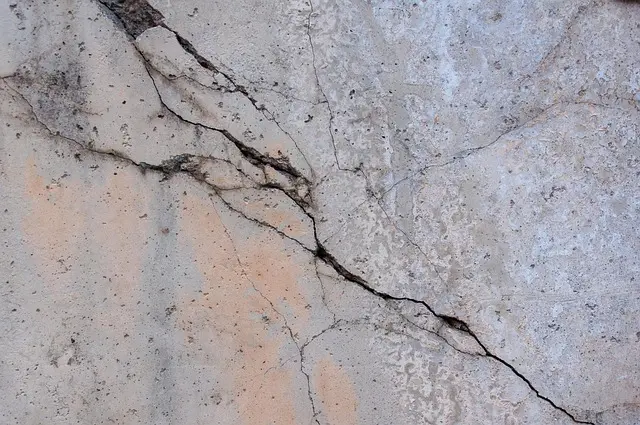
Methods for basement waterproofing
The basement can be poured from waterproof concrete (water-impermeable concrete) during new construction. This special concrete contains additives that prevent the penetration of water. This is particularly advantageous for apartment buildings with several units. Crystalline admixtures can be used for existing basements. They penetrate the pores of the concrete and seal the smallest cracks and capillaries. This also prevents capillary rising damp in the long term.
Subsequent sealing of the surface is also suitable for existing basements. Materials such as acrylic or polyurethane-based liquid waterproofing, bitumen or plastic membranes and polymer coatings are used. These protective layers prevent water from penetrating the concrete and significantly increase the service life of the basement walls.
Preparation for waterproofing
Before the concrete can be waterproofed, the surface must be carefully prepared. This includes: - Cleaning off dirt, dust and grease,
- Repairing cracks with repair mortar or injection resins,
- Complete drying of the substrate,
- roughening the surface for better adhesion,
- application of a primer if necessary.
Only after these steps can the actual waterproofing be carried out.
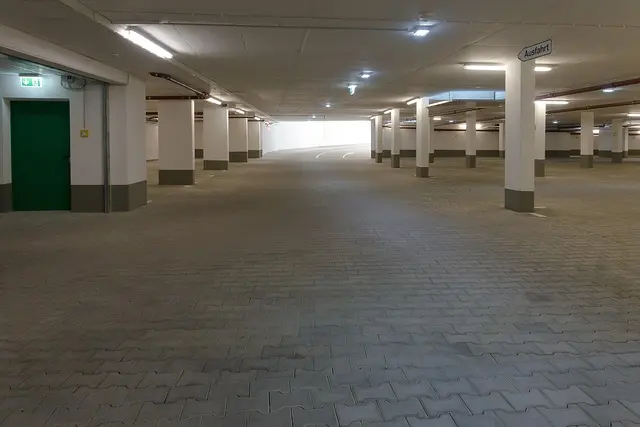
Step-by-step: waterproofing the basement
Waterproofing is carried out in several steps: First, the sealant is mixed according to the manufacturer's instructions. A primer is then applied if necessary. The sealant is then applied evenly to the walls and floor. After curing, the waterproofing is checked to ensure that there are no gaps. This procedure protects the basement from moisture in the long term.
Advantages for owners and investors
Professional waterproofing of basements in apartment buildings has numerous advantages. It preserves and increases the value of the property, reduces maintenance costs and minimizes the risk of rental disputes due to mould or damp. It also increases the attractiveness of the property for tenants, as dry basement areas are a decisive comfort factor.

To summarize:
Waterproofing basements in apartment buildings is not a luxury solution, but a necessary investment in the fabric of the building, the technical rooms and the satisfaction of the tenants. Whether new build or renovation: with the right materials and methods - such as waterproof concrete, crystalline additives or surface sealing - the basement remains dry in the long term, the property retains its value and the tenants are satisfied.
| Address |
Johannisstraße 1a
24306
Plön
|
| Tel. | +49 4522 - 76 56 97 0 |
| [email protected] |
Johannisstraße 1a
24306 Plön
| Tel. | +49 4522 - 76 56 97 0 |
| [email protected] |