Roof extension - more living space on an existing house
The demand for living space is constantly increasing, especially in urban areas. Homeowners are therefore faced with the question: new build or extension of the existing building? A roof extension is a clever way of adding an extra storey to an existing building and thus gaining living space without having to buy a new property. Whether for single-family homes or apartment buildings - adding a storey to the roof is worthwhile for both private owners and investors.
Variants of roof extensions
Knee-high extension
With a kneeling storey extension, the kneeling storey - i.e. the lower part of the pitched roof - is raised. This creates more usable space under the pitched roof. This variant is often quicker and cheaper to implement, but requires the building's statics to be checked.
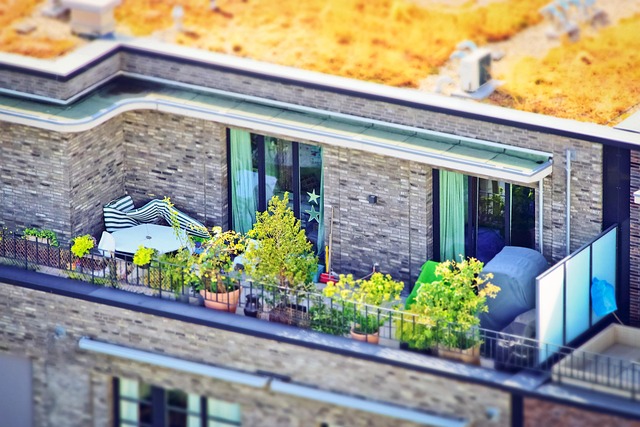
Fullstoreyextension
With a full storey extension, the roof is removed or redesigned and a new storey is added. Timber frame construction is particularly popular here, as it is light, stable and energy-efficient. This variant creates optimally usable living space, offers flexible floor plans and can also include an energy-efficient renovation.
Roof extension with dormers or roof terraces
Additional dormers improve lighting and use of space, while roof terraces offer attractive living comfort. Both increase the value and attractiveness of the house.
Planning and approval of a roof extension
A roof extension requires careful planning. In addition to planning permission, statics, fire protection, sound insulation and energy standards must be checked. Cost planning also plays a decisive role, as planning, approval, interior fittings and furnishings must be taken into account in addition to construction costs. Funding opportunities, for example for insulation or energy modernization, can make the investment easier.
Costs of a roof extension
The costs vary depending on the type of extension. A knee-joint extension costs around 1,200-2,000 euros per square meter, a full storey extension between 1,800-3,000 euros. Additional dormers or roof terraces increase the costs by 200-500 euros per square meter. Despite the costs, a roof extension is usually cheaper than a new build or traditional extension.
Advantages and risks
Roof extensions create additional living space, increase the value of the property, offer flexible usage options and enable energy modernization. Risks include possible approval problems, the load-bearing capacity of the building and unforeseen additional costs. The quality of implementation determines living comfort and energy efficiency. Professional support from architects and structural engineers is therefore crucial.

Roof extensions for apartment buildings
For apartment buildings, adding storeys to the roof offers enormous opportunities. Additional storeys can create new apartments and increase rental income. At the same time, existing buildings can be modernized in terms of energy efficiency and upgraded architecturally. Investors can thus optimize the use of space and increase the value of their properties in the long term.
Conclusion: Is a loft extension worthwhile?
A loft extension is not a small building project, but it offers enormous advantages. It creates new living space, increases the value of the property and enables energy-efficient modernization. The investment is particularly worthwhile in urban regions and for multi-family houses if the statics, development plan and budget are right. With careful planning and professional support, a roof extension can become a worthwhile project for owners and investors.
| Address |
Johannisstraße 1a
24306
Plön
|
| Tel. | +49 4522 - 76 56 97 0 |
| [email protected] |
Johannisstraße 1a
24306 Plön
| Tel. | +49 4522 - 76 56 97 0 |
| [email protected] |