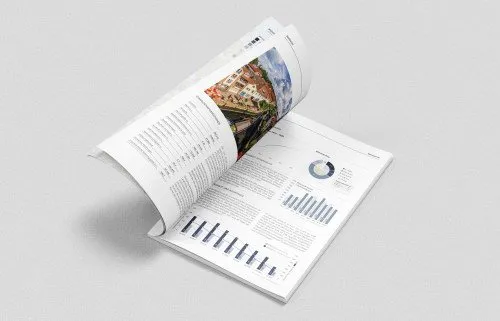
EEG 2026: What Your Real Estate Portfolio Needs to Know Now
The new Renewable Energy Act 2026 offers concrete benefits for property owners—from revised feed-in tariffs for solar power to improved subsidies for battery storage. Those who act now will secure a clear competitive advantage.
- New feed-in tariffs for PV systems
- Greater support for self-consumption
- More funding for battery storage
- Long-term increase in the value of your property
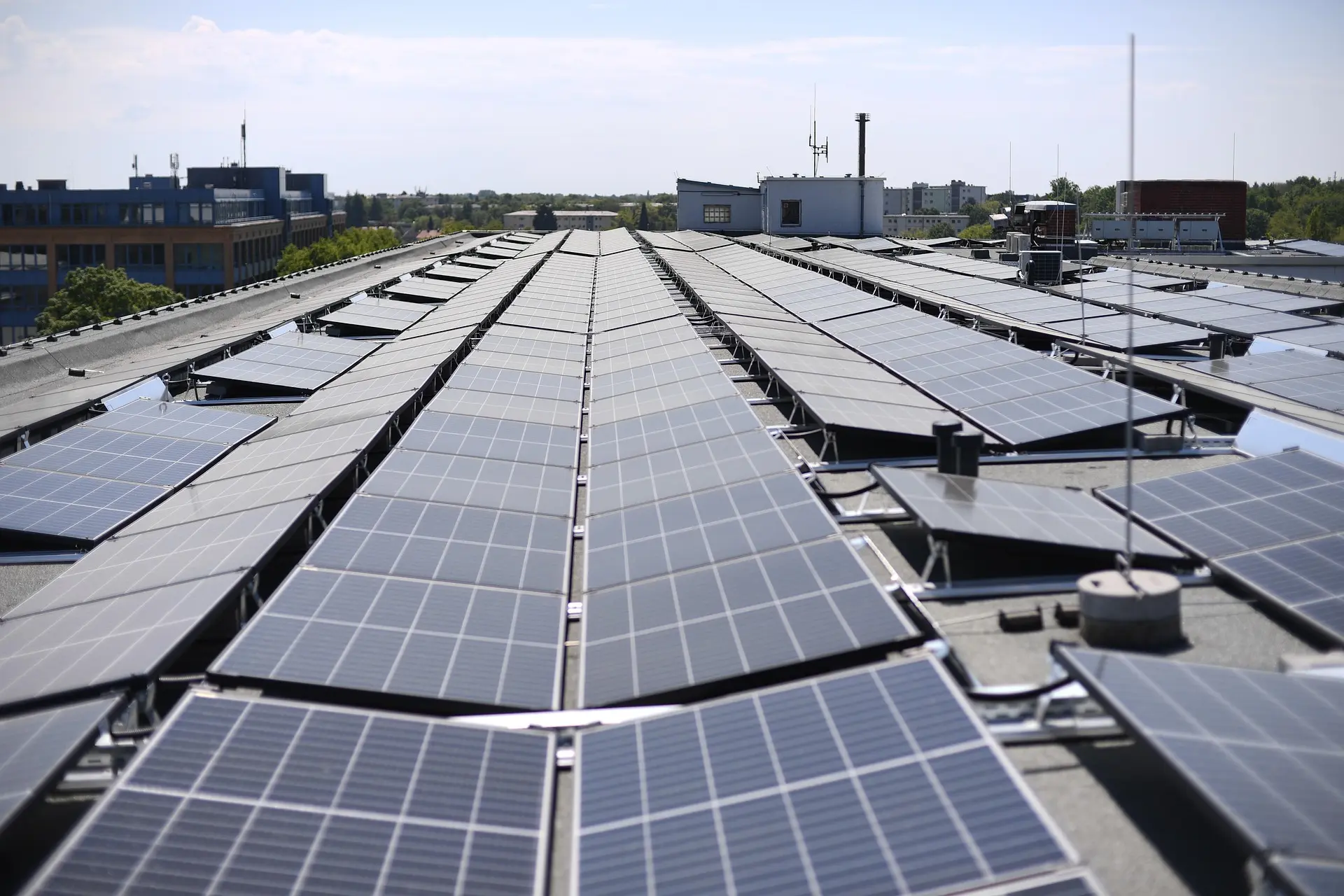
EEG 2026 – What Property Owners Need to Know Now
New feed-in tariffs, increased self-consumption, more storage subsidies: The amended Renewable Energy Act fundamentally changes the economic viability of photovoltaic systems—and opens up concrete opportunities for owners of residential and investment properties.
Rising electricity prices, growing sustainability requirements, and more demanding tenants and buyers—the conditions for real estate are changing
rapidly. The EEG 2026 now provides owners with a powerful tool: Those who adapt their real estate strategy to the new regulations early on can reduce costs, increase property value, and become more independent of the energy market in the long term.
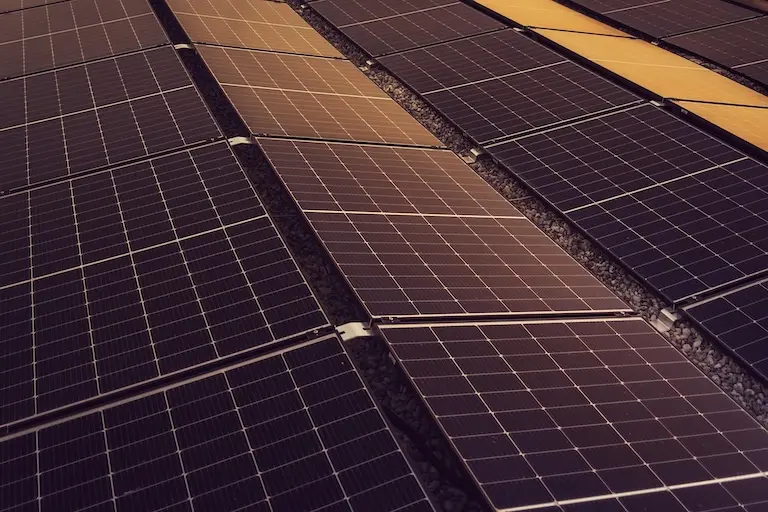
What changes with the EEG 2026?
The Renewable Energy Act is regularly updated and adapted to the current market situation. The 2026 amendment introduces three key changes that are particularly relevant for property owners.
New feed-in tariffs:
The adjusted feed-in tariff makes investments in solar energy more economically attractive—especially for systems in the mid-power range.
Strengthening self-consumption:
Solar power used for personal consumption receives preferential treatment under tax and regulatory frameworks. Those who consume power in their own building save twice.
Storage subsidies:
Battery storage systems are becoming significantly more attractive thanks to new subsidy programs – and enable the use of solar power around the clock.
New feed-in tariff: Is PV still worth it?
The adjustment of the feed-in tariff in the EEG 2026 is the first question for many owners: Is a new photovoltaic system even worth it anymore? The clear answer: Yes—and often even more so than before. Because while the pure feed-in tariff has been adjusted depending on the size of the system, the overall picture has shifted significantly:
Self-consumption of solar power is now often more economical than feeding it into the grid. Every kilowatt-hour used directly in the building replaces expensive grid electricity—and that’s with electricity prices continuing to rise.
GOOD TO KNOW:
The feed-in tariff is guaranteed for 20 years. Those who invest now secure the current terms for two decades—regardless of future market changes.
Self-consumption: The smart alternative to feeding electricity into the grid
The EEG 2026 sets a clear priority: Electricity generated and consumed within one’s own building should be given preference. For property owners, this means in concrete terms:
- Single-family homes: Solar power used for personal consumption permanently lowers operating costs—and makes the home more attractive to future buyers.
- Multi-family homes: Tenant electricity models are becoming simpler and more attractive. Landlords can sell affordable solar power directly to tenants—a real selling point when renting out new units.
- Investment properties: Lower utility costs through self-consumption can improve rental yields and reduce vacancies.
“Those who use solar power in their own buildings are less dependent on the energy market—and make their property future-proof.”
Battery storage: Using solar power even at night
For a long time, the biggest drawback of photovoltaic systems was their dependence on time: the sun shines during the day, but electricity is needed at night. Battery storage solves this problem—and the EEG 2026 makes it more attractive than ever thanks to improved subsidy options. Modern storage systems can store excess solar power from
peak times and release it again when needed—in the evening, at night, or on cloudy days. In combination with a well-sized PV system, self-consumption rates of 70–90% can be achieved.
T I P F O R H O M E O W N E R S
When planning a PV system, it’s worth considering storage from the very beginning—even if the installation is phased in initially. A system that can be retrofitted later saves significant installation costs down the line.
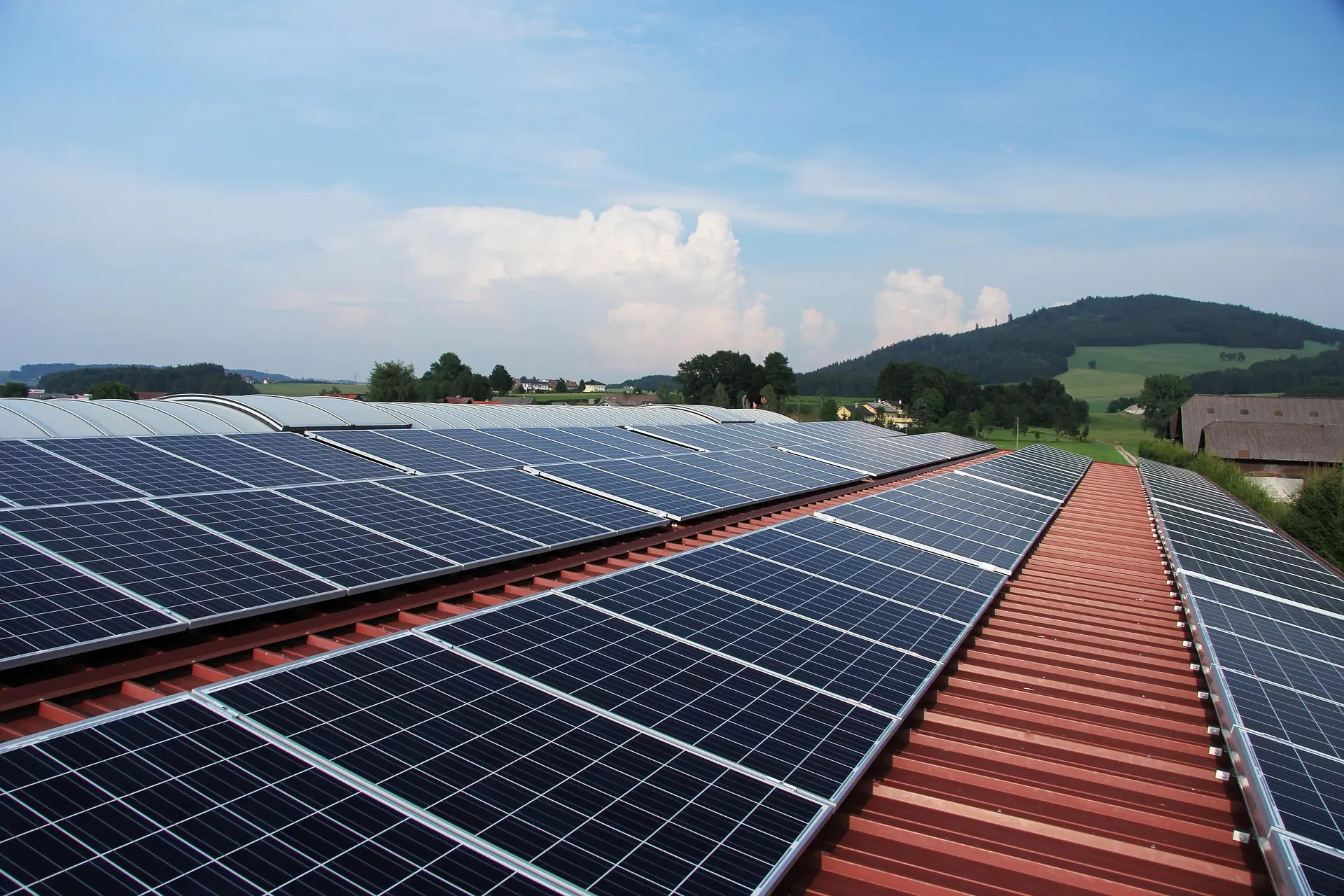
What does this mean specifically for your property?
The combination of new feed-in tariffs, self-consumption benefits, and storage subsidies makes photovoltaics a serious value driver for real estate in 2026. The benefits are multifaceted:
- Lower ongoing energy costs – for both owner-occupiers and tenants
- Greater appeal when renting or selling due to low utility costs
- Long-term value appreciation through improved energy efficiency ratings and sustainability
- Independence from the energy market – Protection against future electricity price increases
- Predictable returns thanks to a 20-year guaranteed feed-in tariff
Conclusion: Planning early pays off
The EEG 2026 sends a clear signal: renewable energy and real estate are converging. Those who act now benefit from current feed-in tariff conditions, available subsidies, and a market that increasingly values sustainable real estate at higher prices.
Waiting, on the other hand, costs twice as much: On the one hand, you miss out on savings and income; on the other, installation and material costs are rising continuously. The best time for a PV system is—as is so often the case with real estate—now.
Do you have questions about PV systems and what this means for your property?
We’ll advise you personally and without obligation
| Address |
Johannisstraße 1a
24306
Plön
|
| Tel. | +49 4522 - 76 56 97 0 |
| [email protected] |
Johannisstraße 1a
24306 Plön
| Tel. | +49 4522 - 76 56 97 0 |
| [email protected] |